
Professional overview
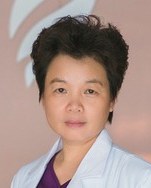
Dr. Wang Xiaosha is an Associate Chief Physician in the Department of Encephalopathy at Xiyuan Hospital, specializing in integrative medicine for cerebrovascular diseases.
SpecialtyNeurology
Clinical titleAssociate Chief Physician
Academic roles—
DepartmentDepartment of Encephalopathy
HospitalXiyuan Hospital
CityBeijing
Areas of focus
Cerebrovascular diseaseTreats ischemic stroke, hemorrhagic stroke, chronic cerebral hypoperfusion, headache, dizziness, cranial tinnitus (brain鸣), facial paralysis, anxiety, depression, insomnia, hypertension, dementia, Parkinson's disease, and restenosis after stenting using integrated Chinese and Western medicine.
Menopausal syndromeExperienced in treating menopausal syndrome and using traditional Chinese medicinal膏 formulas for chronic diseases and sub-health conditions.
Cranial tinnitusConducted in-depth research on cranial tinnitus (brain鸣).
Background
- 1984Graduated from Xiangya Medical College, Hunan.
- 1987Completed the Second Western Medicine-to-Chinese Medicine Training Program at Xiyuan Hospital and ranked first in overall score for Chinese medical theory courses.
Experience & recognition
- Former Deputy Director of the Department of Encephalopathy
- Proficient in neurointerventional techniques including cerebral angiography, thrombolysis for acute ischemic stroke, and intravascular stenting for cerebrovascular disease
Frequently asked questions
What does Dr. Wang Xiaosha specialize in?
Specializes in integrative Chinese-Western medicine treatment of cerebrovascular diseases—including ischemic stroke, hemorrhagic stroke, chronic cerebral hypoperfusion, headache, dizziness, cranial tinnitus, facial paralysis, anxiety, depression, insomnia, hypertension, dementia, Parkinson's disease, and restenosis after stenting—as well as menopausal syndrome and膏 formula-based management of chronic diseases and sub-health.
Which hospital and department is Dr. Wang Xiaosha in?
Department of Encephalopathy at Xiyuan Hospital
Sources
- Compiled from public information about the doctor's clinical title, department and areas of focus, rewritten by Find China Doctors.
- Medical licence: National Health Commission doctor registry
Dr. Wang Xiaosha has not reviewed this page.